How to Turn Your Crochet Hobby into a Side Hustle (Real Talk)
A practical, honest guide to turning crochet into a side hustle through smart product choices, realistic pricing, branding and manageable selling channels.
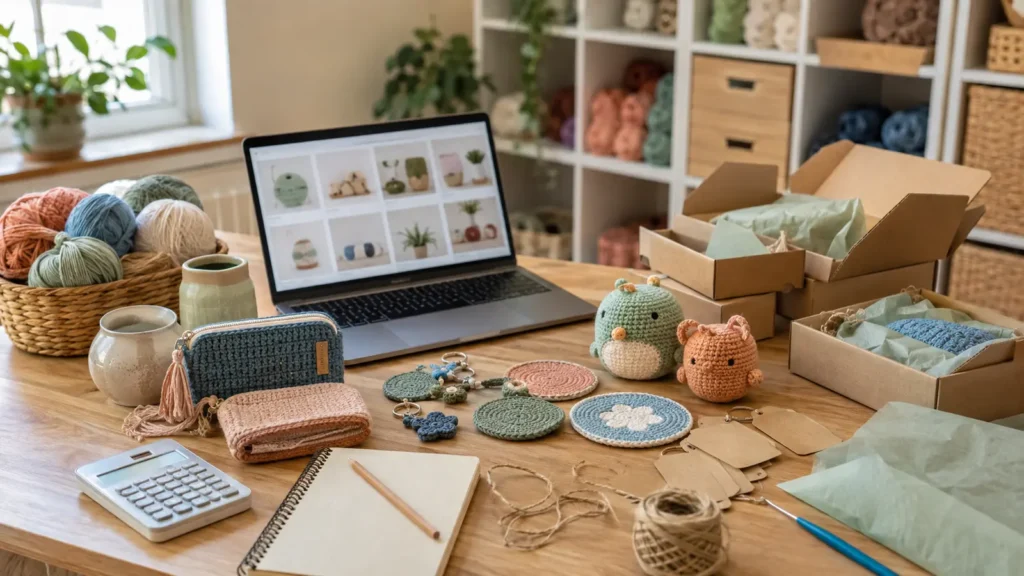
You’ve been crocheting for a while now. People keep saying “You should sell these!” And you’ve thought about it. But… how? Where? And can you actually make money doing this? Let’s have an honest, no-fluff conversation about turning your hooks into income. Spoiler: it IS possible, but it takes more than just great crochet skills.
Before You Start: The Honest Questions
Before you set up an Etsy shop or start taking custom orders, let’s get real about a few things. Selling crochet is NOT the same as crocheting for fun. When you turn a hobby into a business — even a small one — things change.
Ask yourself:
- Am I okay crocheting the same popular item 30 times in a row?
- Can I handle constructive criticism (and sometimes unfair criticism) from buyers?
- Am I willing to learn about photography, marketing, shipping, and customer service?
- Do I have enough time to crochet beyond what I already make for myself?
If you answered yes to most of these — let’s keep going!
What to Sell: Products vs. Patterns vs. Teaching
There are actually THREE main ways to make money with crochet. Most people only think of one:
1. Selling Finished Products
The most obvious route. You make things, you sell things. Amigurumi, blankets, hats, bags, home décor. The downside? You’re trading time for money, and handmade items are SLOW to produce. The upside? People will pay premium prices for quality handmade goods, especially personalized or custom items.
2. Selling Crochet Patterns
This is where the REAL scalability is. You design a pattern once and sell it unlimited times. No shipping, no materials cost per sale, no production time per sale. Write it up, photograph it beautifully, and sell it on Etsy, Ravelry, or your own website. Passive income dream? Pretty close.
3. Teaching Crochet
Workshops, online courses, YouTube tutorials (with ad revenue), or 1-on-1 lessons. If you’re good at explaining things and have patience, teaching can be incredibly rewarding AND profitable. Local craft stores are often looking for workshop instructors!
The Smart Combo
The most successful crochet entrepreneurs combine all three: they sell popular items, create patterns for those items, AND teach techniques through content. Multiple income streams = stability.
Pricing: The Part Everyone Gets Wrong
This is the #1 mistake new crochet sellers make: underpricing. We get it — it feels weird to charge $45 for a hat. But let’s do the math:
The Fair Pricing Formula
Example — A crocheted beanie:
- Yarn cost: $5
- Time: 2 hours × $15/hr = $30
- Overhead (hooks, electricity, packaging, platform fees): $3
- Profit margin (20%): $7.60
- Total: $45.60 → Sell for $45–50
“But no one will pay $45 for a hat!” — Actually, many people WILL. The people who won’t aren’t your target customers. That’s okay.
Don’t Race to the Bottom
Selling a 3-hour project for $15 means you’re paying YOURSELF about $3/hour after materials. That’s not a business — that’s an expensive hobby. Know your worth. Price accordingly. The right customers will find you.
Where to Sell: Platform Breakdown
Etsy
Best for beginners. Built-in audience. Listing fees + transaction fees. Great for both products and patterns.
Instagram Shop
Visual platform = perfect for crochet. Build a following, sell through DMs or linked shop. Free to start.
Ravelry
THE platform for pattern sales. Crocheters and knitters already hang out here. Very supportive community.
Craft Fairs & Markets
In-person sales = instant feedback. Higher margins (no platform fees). Build local reputation and regulars.
Your Own Website
Full control, no fees to platforms. Requires more marketing effort. Best once you have an established brand.
TikTok / YouTube
Content creation + shop links. Great for driving traffic. Ad revenue, sponsorships, and affiliate links possible.
Photography: Your Secret Weapon
Here’s a harsh truth: your product photos matter more than your actual product when selling online. A beautifully crocheted blanket photographed in bad lighting on a messy bed will be outsold by an average blanket styled beautifully with natural light, props, and a clean background.
You don’t need a fancy camera. Your phone is fine! But follow these rules:
- Natural light ALWAYS. Shoot near a window. No flash. No overhead fluorescents.
- Clean, simple backgrounds. White sheets, wooden tables, or styled flat lays.
- Show scale. Put the item on a person, next to a coffee mug, or being used in real life.
- Multiple angles. Show the texture close-up, the full item, and a styled “lifestyle” shot.
- Consistency. Use similar lighting and style across all your photos. This builds brand recognition.
The Launch Checklist
Ready to make it official? Here’s your step-by-step launch plan:
- Decide your niche (what will you be KNOWN for?)
- Create 5–10 products or patterns to start with
- Price everything using the formula above
- Take beautiful product photos (batch shoot day!)
- Choose your platform and set up your shop
- Write compelling product descriptions with keywords
- Set up social media accounts for your brand
- Create packaging that delights (thank you cards, tissue paper, stickers)
- Set clear policies: shipping times, returns, custom order process
- Launch and tell EVERYONE you know
- Collect reviews from first customers (offer a small discount for honest reviews)
- Reinvest profits into better supplies, tools, and marketing
What Sells Best in the Crochet World (2025)
Based on current trends and market demand, here’s what’s hot:
- Amigurumi — especially trendy characters, custom pets, and holiday-themed
- Wearable accessories — bucket hats, tote bags, crop tops, headbands
- Baby items — always in demand. Blankets, booties, stuffed animals
- Home décor — pillow covers, wall hangings, plant hangers, baskets
- Pet items — bandanas, sweaters, toys (pet parents spend $$$)
- Seasonal items — Christmas stockings, Halloween amigurumi, Valentine hearts
- PDF Patterns — especially beginner-friendly ones with video support
Protecting Your Joy
This is the part nobody talks about, and it’s the most important: don’t let the hustle kill your love for crochet.
Set boundaries. Take breaks. Keep a personal project going alongside your business projects. Say no to orders that don’t excite you. Remember that your mental health is worth more than any sale.
The most successful crochet sellers are the ones who genuinely love what they make. That passion shows in every stitch, and customers can feel it. Protect that fire. It’s your greatest business asset.
🚀 Ready to Start Your Crochet Business?
You’ve got the skills, the passion, and now the knowledge. The world is waiting for your creations. Start small, dream big, and never undervalue your craft. Visit Crochelly for more resources and inspiration! 💜