The Ultimate Guide to Choosing Yarn for Baby Crochet Projects
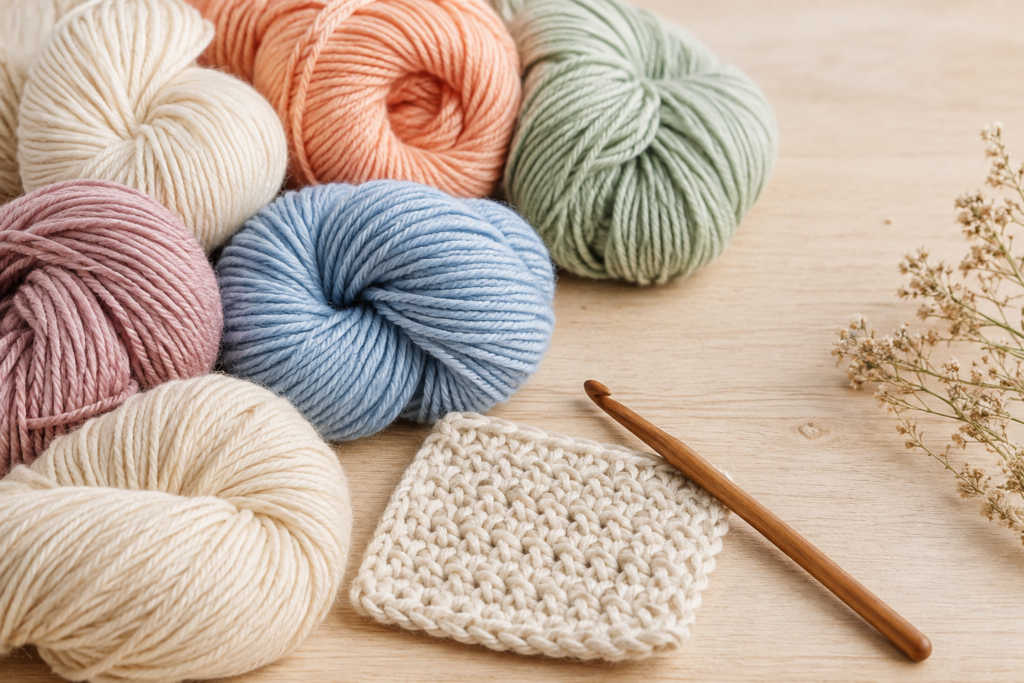
One of the most important decisions you’ll make when starting a baby crochet pattern isn’t which stitch to use — it’s which yarn to choose. The right yarn can make the difference between a baby item that’s treasured for years and one that sits unused in a drawer. From softness and durability to safety and washability, there’s a lot to consider when selecting yarn for your next baby project.
In this comprehensive guide, we’ll explore everything you need to know about choosing the perfect yarn for your baby crochet patterns, so you can create items that are safe, beautiful, and built to last.
Why Yarn Choice Matters for Baby Items
Choosing yarn for adult projects is relatively straightforward — you pick something you like, check the gauge, and get started. But when crocheting for babies, the stakes are higher. Here’s why:
- Sensitive skin: A baby’s skin is up to 5 times thinner than adult skin, making it more susceptible to irritation from rough or chemical-laden fibers.
- Mouthing behavior: Babies explore everything with their mouths. Any yarn used for baby toys or wearables needs to be non-toxic and durable enough to withstand chewing.
- Frequent washing: Between spit-up, diaper blowouts, and drool, baby items get washed constantly. Your yarn needs to hold up to repeated laundering.
- Temperature regulation: Babies can’t regulate their body temperature as effectively as adults, so the yarn’s breathability and warmth properties matter.
Best Yarn Fibers for Baby Crochet Patterns
1. Cotton
Cotton is one of the most popular choices for baby crochet projects, and for good reason.
Pros:
- Natural, hypoallergenic fiber
- Breathable and cool — perfect for warm-weather baby items
- Machine washable and gets softer with each wash
- Excellent stitch definition
- No pilling
Cons:
- Can be heavy when wet
- Less elasticity than other fibers (can make crocheting feel stiff)
- May shrink if washed in hot water
- Not as warm as wool or acrylic
Best for: Summer baby clothes, washcloths, bibs, lightweight blankets, and baby toys.
Recommended brands: Paintbox Yarns Cotton DK, Drops Safran, Scheepjes Cotton 8.
2. Acrylic
Acrylic yarn is the most budget-friendly and widely available option for baby crochet patterns.
Pros:
- Very affordable
- Machine washable and dryable
- Lightweight and warm
- Available in a huge range of colors
- Hypoallergenic (no natural fibers to cause reactions)
- Holds its shape well
Cons:
- Not as breathable as natural fibers
- Can feel scratchy (though baby-specific acrylics are much softer)
- May pill over time
- Not environmentally sustainable
Best for: Baby blankets, hats, booties, sweaters, and everyday wearables.
Recommended brands: Lion Brand Baby Soft, Bernat Softee Baby, Red Heart Soft Baby Steps, Caron Simply Soft.
3. Bamboo
Bamboo yarn has gained popularity in recent years as a luxurious, eco-friendly option for baby items.
Pros:
- Incredibly soft — often compared to silk or cashmere
- Natural antibacterial and antimicrobial properties
- Moisture-wicking and breathable
- Eco-friendly and sustainable
- Naturally hypoallergenic
- Beautiful drape
Cons:
- More expensive than cotton or acrylic
- Can be slippery to work with
- May stretch over time
- Usually requires gentle washing
Best for: Special occasion baby outfits, lightweight blankets, and summer wearables.
Recommended brands: Drops Baby Alpaca Silk, King Cole Bamboo Cotton DK.
4. Merino Wool
While wool might seem like an unusual choice for babies, superwash merino wool is actually an excellent option when warmth is a priority.
Pros:
- Exceptionally warm yet breathable
- Natural temperature regulation
- Moisture-wicking
- Naturally flame-resistant
- Superwash varieties are machine washable
Cons:
- More expensive
- Some babies may be sensitive to wool fibers
- Requires more careful washing (even superwash varieties)
- Can felt if washed improperly
Best for: Winter baby hats, sweaters, booties, and cold-weather accessories.
Recommended brands: Malabrigo Rios, Drops Baby Merino, Cascade 220 Superwash.
5. Cotton-Acrylic Blends
Blended yarns combine the best qualities of both fibers, creating a yarn that’s soft, durable, and easy to care for.
Pros:
- Softer than pure cotton with better drape
- More breathable than pure acrylic
- Machine washable
- Good stitch definition
- Affordable
Cons:
- May pill slightly (less than pure acrylic)
- Properties vary depending on the blend ratio
Best for: Versatile, all-season baby items including blankets, clothing, and accessories.
Recommended brands: Lion Brand Comfy Cotton Blend, Bernat Softee Baby Cotton.
Yarn Weight Guide for Baby Projects
The weight (thickness) of your yarn affects the drape, warmth, and overall look of your finished baby item. Here’s a quick guide:
| Yarn Weight | Hook Size | Best For |
|---|---|---|
| Fingering/Sport (2) | 2.75mm – 3.75mm | Delicate booties, lightweight garments, intricate lacework |
| DK/Light Worsted (3) | 3.75mm – 4.5mm | Baby clothes, hats, mittens, lightweight blankets |
| Worsted/Medium (4) | 4.5mm – 5.5mm | Blankets, sweaters, toys, general-purpose baby items |
| Bulky (5) | 5.5mm – 8mm | Thick blankets, cocoons, chunky hats |
For most baby crochet patterns, DK weight and worsted weight yarns are the most versatile and commonly used. They provide a good balance of warmth, drape, and workability.
Color Considerations for Baby Yarn
While color is largely a matter of personal preference, here are some things to keep in mind:
Popular Color Palettes
- Traditional pastels: Soft pinks, blues, yellows, lavenders, and mint greens remain timeless choices.
- Gender-neutral: Sage green, mustard yellow, cream, gray, and terracotta are trending for modern nurseries.
- Bold and bright: Primary colors and vibrant rainbow palettes stimulate baby’s developing vision.
- Earth tones: Warm browns, rusts, and natural tones complement boho and organic nursery themes.
Practical Color Tips
- White and very light colors show stains easily — consider off-white or cream as alternatives.
- Darker colors may bleed in the first few washes — always wash separately first.
- Variegated and self-striping yarns add visual interest without requiring color changes.
- Consider the nursery color scheme when choosing yarn for blankets and décor items.
How Much Yarn Do You Need?
Nothing is worse than running out of yarn mid-project. Here’s a general guide for common baby items:
- Baby hat: 50-100g (1 skein)
- Baby booties: 25-50g (1 skein)
- Baby blanket (receiving size): 300-500g (3-5 skeins)
- Baby blanket (crib size): 500-800g (5-8 skeins)
- Baby sweater/cardigan: 150-300g (2-3 skeins)
- Baby lovey: 100-200g (1-2 skeins)
- Baby toy: 50-100g (1-2 skeins)
Pro tip: Always buy one extra skein from the same dye lot. It’s much easier to return an unused skein than to find a matching dye lot later!
Yarn Safety Checklist for Baby Items
Before you start your next baby crochet project, run through this safety checklist:
- ✅ Is the yarn labeled as baby-safe or baby-friendly?
- ✅ Is it machine washable? (Check the care label)
- ✅ Is it free from harmful chemicals and dyes? (Look for Oeko-Tex certification)
- ✅ Is the fiber appropriate for the baby’s environment and season?
- ✅ Have you checked for allergies or sensitivities in the family?
- ✅ Is the yarn durable enough to withstand frequent washing and baby wear?
Our Top Yarn Picks for Baby Crochet Patterns
Based on our experience creating and testing baby crochet patterns, here are our all-time favorite yarns:
- Best Overall: Drops Baby Merino — Incredibly soft, beautiful colors, machine washable.
- Best Budget Option: Bernat Softee Baby — Affordable, widely available, and baby-approved softness.
- Best Cotton: Paintbox Yarns Cotton DK — Excellent stitch definition, gorgeous color range.
- Best for Summer: Drops Safran — Lightweight, breathable, and comes in beautiful shades.
- Best Luxury: Malabrigo Rios — Superwash merino that’s worth every penny.
Final Thoughts
Choosing the right yarn for your baby crochet project sets the foundation for a beautiful, safe, and long-lasting finished item. Take the time to consider the fiber content, weight, washability, and softness before you begin. Your careful selection will show in every stitch of the finished piece.
Ready to put your perfect yarn to use? Explore our collection of baby crochet patterns at Crochelly and find your next project today!
What’s your go-to yarn for baby projects? Let us know in the comments — we’d love to hear your recommendations!