Spring Crochet Projects: 20 Fresh and Beautiful Patterns to Welcome the New Season
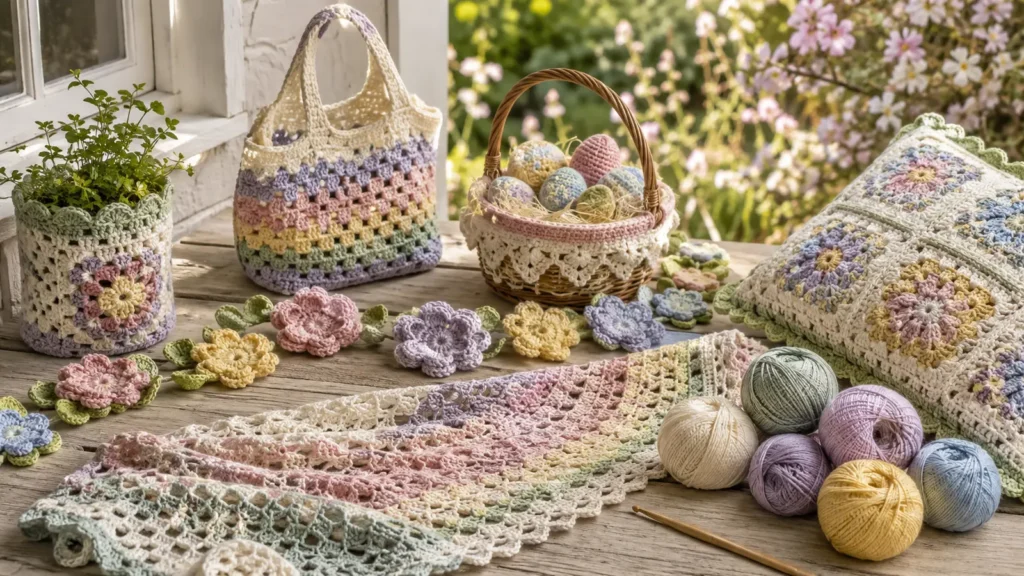
Spring Crochet Projects: 20 Fresh and Beautiful Patterns to Welcome the New Season
When the first crocuses push through the thawing ground and the days begin to stretch longer, something stirs in every crocheter’s heart. It’s the irresistible urge to put away the heavy wool blankets and chunky scarves and reach for lighter yarns in soft pastels, vibrant florals, and fresh greens. Spring crochet is a celebration — of renewal, of color, of the simple joy of creating something beautiful as the world wakes up around you.
This comprehensive guide is your complete companion for spring crochet. We’ve gathered 20 project ideas across five categories — home décor, wearables, accessories, gifts, and garden — along with detailed yarn recommendations, color palettes, technique tips, and styling ideas. Whether you prefer quick weekend makes or ambitious multi-week projects, there’s something here to inspire your spring hook.
Let’s shake off the winter cobwebs and dive in.
The Ultimate Spring Yarn Guide
Choosing the right yarn is the foundation of every successful spring project. The fibers you select affect not just the look and feel of your finished piece, but also its drape, breathability, washability, and longevity. Here’s a comprehensive look at the best yarn options for spring crochet.
Cotton: The Spring Staple
Cotton is, without question, the most popular fiber for spring and summer crochet, and for good reason. It’s breathable, absorbent, machine-washable, and available in a staggering range of colors. It holds stitch definition beautifully, making it ideal for textured patterns where you want every stitch to pop.
Best cotton yarns for spring:
| Yarn Name | Weight | Fiber | Best For | Price Range |
|---|---|---|---|---|
| Scheepjes Catona | Fingering/Sport | 100% Mercerized Cotton | Amigurumi, flowers, fine work | $$ |
| Paintbox Yarns Cotton DK | DK | 100% Cotton | Home décor, garments, versatile | $ |
| Drops Safran | DK | 100% Egyptian Cotton | Garments, soft items | $ |
| Lily Sugar’n Cream | Worsted | 100% Cotton | Dishcloths, baskets, sturdy items | $ |
| Ricorumi DK | DK | 100% Cotton | Amigurumi, small projects | $ |
| DMC Natura Just Cotton | DK/Light Worsted | 100% Combed Cotton | Garments, shawls, lace | $$ |
Cotton pros: Cool to wear, easy to care for, excellent stitch definition, widely available, allergy-friendly.
Cotton cons: Can be heavy (especially when wet), less elastic than wool (harder on the hands), can fade in direct sunlight over time.
Linen and Linen Blends
Linen is the ultimate warm-weather luxury fiber. It gets softer with every wash, has a beautiful natural drape, and keeps you cool even on the warmest days. Pure linen can be stiff and splitty to crochet with, so many crocheters prefer linen-cotton or linen-bamboo blends that offer the benefits of linen with improved workability.
Recommended linen yarns: Drops Belle (cotton/linen/viscose blend), Quince & Co. Sparrow (100% organic linen), BC Garn Alba (100% organic linen).
Bamboo and Bamboo Blends
Bamboo fiber is silky smooth, naturally antibacterial, and breathable — making it a wonderful choice for spring garments that will be worn against the skin. It has a gorgeous drape that lends itself to shawls, cardigans, and flowy tops. The main drawback is that it can be slippery to work with and tends to stretch over time, so it’s better suited for drapy garments than structured items.
Lightweight Acrylic
Don’t dismiss acrylic for spring! Modern acrylic yarns have come a long way from the scratchy, plastic-feeling fibers of decades past. Brands like Caron Simply Soft, Red Heart Soft, and Stylecraft Special DK offer soft, affordable options that wash beautifully and resist fading. They’re especially great for items that will see heavy use or that you’re making for people with wool allergies.
Wool-Cotton Blends
For early spring when the weather is still unpredictable, wool-cotton blends offer the best of both worlds — the warmth and elasticity of wool combined with the breathability and lightness of cotton. Look for blends in the range of 50/50 to 60/40 cotton-to-wool ratio for the most spring-appropriate weight.
5 Stunning Spring Color Palettes
Color is where spring crochet really comes alive. After months of working in deep burgundies, forest greens, and charcoal grays, it’s time to embrace the fresh, optimistic colors of the new season. Here are five curated color palettes to inspire your spring projects:
Palette 1: English Garden
Soft pink, lavender, sage green, butter yellow, ivory
This gentle, romantic palette evokes a traditional English cottage garden in full bloom. It’s perfect for floral projects, baby items, and feminine home décor. The muted tones ensure nothing is too garish — everything feels soft, elegant, and harmonious.
Palette 2: Citrus Burst
Tangerine, lemon yellow, lime green, hot pink, white
Bold, vibrant, and full of energy. This palette is for the crocheter who wants to make a statement. It works beautifully for market bags, summer tops, children’s items, and any project where you want to inject pure, unfiltered joy.
Palette 3: Coastal Morning
Sky blue, seafoam green, sandy beige, white, coral
Inspired by early morning walks along the beach, this palette feels fresh, calm, and sophisticated. It’s versatile enough for home décor, garments, and accessories, and the colors complement each other effortlessly.
Palette 4: Wildflower Meadow
Deep purple, golden yellow, rust orange, olive green, cream
A richer, more earthy take on spring colors. This palette draws from the wild, uncultivated beauty of meadow wildflowers and works particularly well for boho-style projects, granny squares, and textured blankets.
Palette 5: Minimalist Spring
White, light gray, blush pink, natural linen, one accent color of your choice
For those who prefer a cleaner, more restrained aesthetic. This neutral-dominant palette lets texture and stitch patterns take center stage, with just a whisper of color to signal the season. Perfect for modern home décor and sophisticated garments.
Spring Home Décor Projects (1–5)
There’s no faster way to refresh your living space for spring than with handmade crochet décor. These five projects will transform your home from winter den to spring sanctuary.
Project 1: Crochet Flower Bouquet That Never Wilts
Skill Level: Beginner to Intermediate
Yarn: DK or Sport Weight Cotton
Time Estimate: 4–8 hours for a full bouquet (12–15 flowers)
Hook Size: 3.5mm–4.0mm
Imagine a vase on your dining table filled with crochet roses, daisies, tulips, and lavender sprigs that will look gorgeous in March and still be perfect in October. A crochet flower bouquet is one of the most rewarding spring projects you can undertake — and one of the most impressive to display.
Flowers to Include:
Classic Rose: Worked as a long strip of ruffled double crochet stitches that spiral when rolled up. Use reds, pinks, creams, and yellows. Secure the spiral with a few stitches at the base, and attach to a floral wire stem wrapped in green yarn or floral tape.
Daisy: Start with a bright yellow center (a small circle of single crochet), then attach white petals around the edge. Each petal is a short chain with double crochet stitches worked back along it. Simple, cheerful, and instantly recognizable.
Tulip: Worked in rounds as a small cup shape, then pinched slightly at the top and attached to a stem. Use vibrant reds, oranges, purples, and yellows. Add two long green leaves for authenticity.
Lavender Sprig: A green chain stem with clusters of tiny purple loops worked along the top portion. These add height and texture to your bouquet and fill in the spaces between larger flowers beautifully.
Sunflower: A larger project with a brown center (worked in a spiral of single crochet) and two layers of yellow petals. This makes a stunning focal flower for the center of your bouquet.
Assembly Tips:
- Use 18-gauge floral wire for stems — it’s sturdy enough to hold the flower upright but flexible enough to arrange.
- Wrap stems in green floral tape or crochet a green chain and wind it around the wire.
- Arrange flowers at different heights for a natural look.
- Fill the vase with decorative stones, beans, or floral foam to hold stems in place.
- Add crochet leaves at the stem junctions for realism.
Project 2: Spring Pillow Covers
Skill Level: Intermediate
Yarn: Worsted Weight Cotton or Cotton Blend
Time Estimate: 6–10 hours per pillow cover
Hook Size: 5.0mm
Swapping out pillow covers is one of the easiest ways to transition your living room from winter to spring. Crochet pillow covers add texture and warmth that printed fabric simply can’t match.
Design Ideas:
Granny Square Mosaic: Crochet nine 5-inch granny squares in coordinating spring colors and join them into a 15-inch panel. Make two panels and sew together around three sides, inserting a pillow form before closing. This is a great way to practice color changes and use up scrap yarn.
Textured Bobble Pattern: Work a solid fabric of single crochet with bobble stitches arranged in a floral or geometric pattern. The bobbles pop off the surface, creating a tactile, dimensional design. Use a single color for modern elegance or two colors for more visual impact.
Lace Overlay: Crochet a lace panel in white or cream and sew it over a solid fabric pillow in a contrasting color (like a deep teal or dusty rose). The lace creates a romantic, vintage look that’s perfect for bedrooms or reading nooks.
Project 3: Table Runner with Floral Border
Skill Level: Intermediate to Advanced
Yarn: DK Weight Cotton
Time Estimate: 15–25 hours
Hook Size: 3.5mm–4.0mm
A crochet table runner instantly elevates your dining table and sets the tone for spring meals. The classic approach is a filet crochet runner with a floral motif — flowers, vines, or butterflies charted on a grid and worked in double crochet and chain stitches.
For a more modern look, consider a granny stripe runner in spring colors — long rows of granny clusters in alternating colors, creating a cheerful, colorful stripe pattern. Finish with a scalloped or picot edge for a polished look.
Sizing guide: A standard table runner is 12–14 inches wide and 36–72 inches long, depending on your table size. It should hang 6 to 8 inches over each end of the table.
Project 4: Hanging Plant Holder (Macramé-Style Crochet)
Skill Level: Beginner
Yarn: Cotton Rope or Worsted Weight Cotton (something sturdy)
Time Estimate: 2–4 hours
Hook Size: 6.0mm–8.0mm
Plant holders are having a major moment in interior design, and crochet versions have a warmth and texture that macramé can’t quite match. A crochet plant holder is essentially a net bag with a sturdy hanging cord — simple in construction but stunning in display.
Basic Construction:
- Crochet a flat circle for the base (this supports the bottom of the pot).
- Work the sides in an open mesh pattern — alternating chains and single crochet stitches — allowing the pot to peek through.
- Work the sides until they reach the rim of your pot.
- Create three or four evenly spaced chain straps that converge at the top.
- Join the straps together and create a hanging loop.
Make several in different colors and sizes to create a vertical garden in front of a sunny window. They’re also excellent gifts for plant-loving friends.
Project 5: Spring Wreath
Skill Level: Beginner to Intermediate
Yarn: DK or Worsted Weight Cotton in multiple colors
Time Estimate: 8–12 hours
Hook Size: 4.0mm–5.0mm
A crochet wreath on your front door or above your mantel announces spring’s arrival to everyone who enters. Start with a foam or wire wreath form and cover it with crochet flowers, leaves, butterflies, and birds. You can crochet directly around the form or make individual pieces and attach them with stitches or hot glue.
Elements to include:
- 5–8 assorted crochet flowers in varying sizes and colors
- 10–15 crochet leaves in different shades of green
- 1–2 crochet butterflies or bees
- A crochet ribbon or bow
- Optional: a small crochet bird or bird’s nest with eggs
The beauty of a crochet wreath is its modularity — you can rearrange, add, or remove elements each year, keeping it fresh and evolving.
Lightweight Spring Wearables (6–10)
Spring weather is notoriously unpredictable — warm sunshine one moment, cool breeze the next. These wearable projects are designed to be lightweight, layerable, and versatile enough to handle whatever spring throws at you.
Project 6: Lacy Kimono Cardigan
Skill Level: Intermediate
Yarn: DK Weight Cotton or Cotton-Linen Blend
Time Estimate: 20–30 hours
Hook Size: 4.0mm–5.0mm
A kimono cardigan is the quintessential spring layering piece. Its open front, relaxed fit, and flowing drape make it comfortable over everything from tank tops to sundresses. For crochet, the open construction means it works up faster than you’d expect — many kimono patterns are essentially two rectangles joined at the shoulders.
Design approach: Use an open, lacy stitch pattern for breathability. The V-stitch (dc, ch 1, dc in the same stitch) or shell stitch patterns create beautiful drape and an airy fabric perfect for warm weather. Work the body panels flat, join at the shoulders, and add three-quarter or full-length sleeves by crocheting directly into the armhole edges.
Finishing touches: Add a delicate edging around the entire outer edge — a simple scallop or picot edge adds polish without weight. Consider adding optional side ties at the waist for a more defined silhouette.
Project 7: Granny Square Crop Top
Skill Level: Beginner to Intermediate
Yarn: DK Weight Cotton
Time Estimate: 10–15 hours
Hook Size: 4.0mm
The granny square crop top has become a modern crochet classic, endlessly customizable and surprisingly flattering on a wide range of body types. The basic concept: construct the front and back panels from granny squares, join them at the shoulders and sides, and add straps or sleeves as desired.
Sizing strategy:
- Small (XS/S): Four 6-inch squares for the front, four for the back
- Medium (M/L): Four 7-inch squares or six 5-inch squares for each panel
- Large (XL/XXL): Six 6-inch squares or nine 5-inch squares for each panel
For a custom fit, adjust the square size by changing your hook size or adding more rounds. Try on as you go, holding the squares against your body to check coverage and fit.
Color ideas: Go monochrome for a sophisticated look, use coordinating pastels for a classic spring feel, or embrace bold rainbow colors for maximum impact.
Project 8: Lightweight Triangular Shawl
Skill Level: Beginner
Yarn: Fingering or DK Weight Cotton, Bamboo, or Linen Blend
Time Estimate: 12–20 hours
Hook Size: 3.5mm–5.0mm
A triangular shawl is the most versatile garment accessory in existence. Wear it as a traditional shawl draped over the shoulders, tie it as a sarong, fold it into a scarf, or use it as a lightweight blanket. For spring, choose an open, lacy pattern that allows air flow and shows off the yarn’s drape.
Construction method: Most triangular shawls are worked from one point (either the top center or the bottom tip) and increase outward. Top-down construction starts with a few chains and increases at the center and/or edges on every row, gradually building the triangle. This method lets you work until you run out of yarn or reach your desired size — no guessing about yardage.
Recommended stitch patterns:
- Virus stitch: Creates a lacy, fan-shaped pattern that’s hypnotic to work and stunning to wear
- Puff stitch V: Dimensional and textured, with lovely drape
- Simple mesh: Alternating chains and single crochets for an ultra-lightweight, see-through fabric
- Shell and V-stitch: A classic combination that never goes out of style
Project 9: Sun Hat
Skill Level: Intermediate
Yarn: DK or Worsted Weight Cotton (firm tension)
Time Estimate: 6–10 hours
Hook Size: 4.0mm–5.0mm
A crochet sun hat is as functional as it is fashionable. Made in sturdy cotton with a firm gauge, it provides genuine sun protection while looking effortlessly chic. The key to a good crochet hat is structure — you want the brim to hold its shape without flopping.
Construction:
- Crown: Work in the round from the top, increasing evenly to create a flat circle that fits the top of your head. Continue without increasing for the depth of the crown (sides of the hat).
- Brim: Resume increasing in a gradual, controlled manner to create a brim that flares outward. The rate of increase determines the brim angle — more increases = wider, flatter brim; fewer increases = narrower, more angled brim.
- Finishing: Work 2–3 rounds of single crochet around the outer edge of the brim for stability. Optional: thread milliner’s wire into the final round for a brim that holds its shape perfectly.
Customization ideas: Add a ribbon band crocheted in a contrasting color, attach a small crochet flower, or add a chin strap for windy days.
Project 10: Mesh Market Bag
Skill Level: Beginner
Yarn: DK or Worsted Weight Cotton
Time Estimate: 4–6 hours
Hook Size: 5.0mm–6.0mm
The crochet market bag is the unofficial bag of spring. It’s practical, eco-friendly, and a joy to carry. Made in an open mesh pattern, it stretches to accommodate a surprising amount of produce, yet folds down to almost nothing when empty.
Basic pattern structure:
- Base: Work a flat oval or circle in single crochet — this forms the bottom of the bag. Size it to your preference (typical: 4 inches × 8 inches for a produce bag).
- Body: Switch to an open mesh pattern — the simplest is *ch 3, skip 2 stitches, sc in next stitch* — and work in the round for the desired height (typically 12–15 inches before stretching).
- Handles: At the top of the bag, work two sections of chain (typically 20–30 chains each) on opposite sides, and join them back to the bag after skipping a section of stitches. Work back along each handle chain with single crochet for strength.
Pro tip: Line the bottom of the bag with a crocheted solid panel to prevent small items from falling through the mesh. Or, sew in a piece of fabric lining for extra security.
Spring Accessories (11–14)
Project 11: Crochet Headband with Flower
Skill Level: Beginner
Yarn: DK Weight Cotton
Time Estimate: 1–2 hours
Hook Size: 4.0mm
A crochet headband takes less than two hours to make and adds an instant pop of spring color to any outfit. The basic construction is a simple band of single or double crochet worked to fit around your head, joined with a slip stitch or button. Embellish with a crochet flower, bow, or a cluster of buttons.
Variations:
- Turban style: Work a wider band, twist it in the center, and join the ends for a fashionable turban-inspired look
- Ear warmer: Work the band wider (3–4 inches) for early spring mornings when it’s still chilly
- Lace headband: Use a delicate lace stitch pattern for a boho-romantic look
- Knotted headband: Work two separate bands, tie them together at the center, and join the ends at the back
Project 12: Crochet Earrings
Skill Level: Beginner
Yarn: Size 10 Crochet Thread or Embroidery Thread
Time Estimate: 30 minutes to 1 hour per pair
Hook Size: 1.5mm–2.0mm steel hook
Crochet earrings are having a massive moment in fashion, and they’re one of the quickest, most satisfying projects you can make. They use tiny amounts of thread, work up in under an hour, and make incredible gifts.
Popular shapes:
- Teardrop: Work a basic teardrop shape in single crochet, stiffen, and attach an earring hook
- Circle: Make a crocheted circle or ring and add fringe, beads, or a chain tassel
- Flower: Tiny crochet flowers (daisies are especially cute) on simple hook findings
- Leaf: A pair of small crochet leaves — organic, elegant, and perfect for spring
- Geometric: Triangles, hexagons, or diamond shapes for a modern aesthetic
Important: Use nickel-free earring findings for sensitive ears. Stiffen the crochet pieces with fabric stiffener for shape retention. A light coat of clear sealant (mod podge or clear nail polish) helps protect against wear.
Project 13: Crochet Phone Case
Skill Level: Beginner
Yarn: DK Weight Cotton
Time Estimate: 2–3 hours
Hook Size: 3.5mm
A seasonal phone case is a fun, low-commitment project that lets you experiment with spring colors and patterns. Make a basic pouch with a button or drawstring closure, and decorate with a small crochet flower, initial, or spring motif (butterfly, bee, bird).
For practicality, line the inside with soft fabric to protect the screen, and crochet at a tight gauge so the fabric is dense enough to provide cushioning.
Project 14: Crochet Belt
Skill Level: Beginner
Yarn: DK or Worsted Weight Cotton or Cotton-Poly Blend
Time Estimate: 2–4 hours
Hook Size: 4.0mm
A crochet belt adds a unique, handmade touch to spring dresses, high-waisted jeans, and tunic tops. Work a strip of crochet to your waist measurement plus 6 inches (for overlap and closure). Add a buckle, D-ring closure, or decorative buttons.
For a bohemian look, work the belt in a long, narrow strip and add fringe or tassels to the ends. For something more polished, use a tight, even stitch pattern (like single crochet or moss stitch) and a simple metal buckle.
Spring Gift Ideas (15–17)
Spring brings a host of gift-giving occasions — Easter, Mother’s Day, teacher appreciation, birthdays, baby showers, and hostess gifts. These projects are thoughtful, handmade gifts that show you care.
Project 15: Crochet Easter Basket
Skill Level: Beginner to Intermediate
Yarn: Worsted Weight Cotton
Time Estimate: 4–6 hours
Hook Size: 5.0mm
A crochet Easter basket is a keepsake that can be used year after year. Unlike flimsy store-bought baskets, a well-made crochet basket is sturdy, beautiful, and completely customizable.
Construction:
- Work a flat circle for the base using single crochet at a tight gauge.
- Stop increasing and work the sides straight up for the desired height (typically 5–7 inches).
- Add a handle by chaining across the opening and working back along the chain with single crochet for strength. Alternatively, work a separate strip and attach it at both sides.
- Embellish with crochet flowers, eggs, bunnies, or ribbon woven through the stitches.
Fill with real or crochet eggs, chocolate, small toys, or spring flowers for a gift that delights children and adults alike.
Project 16: Mother’s Day Crochet Gift Set
Skill Level: Beginner
Yarn: DK Weight Cotton in soft, luxurious colors
Time Estimate: 6–10 hours for the complete set
Hook Size: 4.0mm
Create a spa-inspired gift set that any mother would love. Package it in a crochet drawstring bag or a pretty basket for a gift that’s handmade from top to bottom.
The set includes:
Face Scrubbies (set of 6): Small circles of single crochet, approximately 3.5 inches in diameter. They replace disposable cotton pads for applying toner, removing makeup, or applying face wash. Make them in coordinating colors for a cohesive look.
Washcloth: A 10-inch square worked in a textured stitch pattern — the moss stitch (alternating sc and ch 1) creates a beautiful texture that’s gentle on skin. Add a hanging loop in one corner.
Soap Saver Pouch: A small drawstring bag that holds a bar of soap, allowing it to be used as an exfoliating washcloth. Made in single crochet with a tight gauge so the soap doesn’t slip through.
Headband: A wide, comfortable headband for holding hair back during skincare routines. Work in a stretchy stitch pattern and join with a button for adjustability.
Gift Bag: A drawstring bag to hold everything. Work in the round with a pretty stitch pattern, and thread ribbon through the top for the drawstring.
Project 17: Crochet Amigurumi Spring Animals
Skill Level: Intermediate
Yarn: DK Weight Cotton (Ricorumi or Scheepjes Catona work beautifully)
Time Estimate: 3–8 hours per animal
Hook Size: 2.5mm–3.0mm (smaller than recommended for tight, stuffing-proof fabric)
Spring-themed amigurumi make adorable gifts, decorations, and keepsakes. Here are five spring animals to consider:
- Bunny: The quintessential spring animal. Make it with long floppy ears, a fluffy pom-pom tail, and a tiny carrot accessory.
- Chick: A round yellow body with tiny wings, an orange beak, and little orange feet. Quick to make and impossibly cute.
- Lamb: Use loop stitch or bobble stitch for the body to create a woolly texture. Add a sweet face with embroidered features.
- Butterfly: A small body with large, colorful wings. Use multiple colors for the wing patterns. Attach a magnet to the back for a fridge decoration.
- Bee: Yellow and black stripes, tiny white wings, and a happy embroidered face. Add a small crochet flower for it to sit on.
Garden and Outdoor Projects (18–20)
Project 18: Crochet Bunting for Outdoor Spaces
Skill Level: Beginner
Yarn: Worsted Weight Acrylic (weather-resistant) or Cotton
Time Estimate: 4–6 hours
Hook Size: 5.0mm
String crochet bunting across your porch, patio, or garden fence for an instant burst of spring cheer. Make triangular pennants, semicircles, or flower shapes, and attach them to a long chain or cord.
Each pennant: Work a triangle starting with 3 chains at the top, increasing by 2 stitches per row until you reach your desired width (typically 5–7 inches). Work 1 round of single crochet around the entire triangle for a clean edge. Make 10–15 pennants in assorted spring colors.
Assembly: Crochet a long chain as the bunting cord (measure the length of the space you want to decorate, plus extra for tying at each end). Fold the top edge of each pennant over the cord and stitch in place, spacing them 2–3 inches apart.
Weatherproofing tip: For outdoor use, choose acrylic yarn (it resists moisture and fading better than cotton). You can also spray finished bunting with a fabric waterproofing spray for extra protection.
Project 19: Crochet Plant Pot Covers
Skill Level: Beginner
Yarn: Worsted or Aran Weight Cotton or Jute Twine
Time Estimate: 2–4 hours per cover
Hook Size: 5.0mm–6.0mm
Transform plain plastic or terracotta pots into stylish statements with crochet covers. These are essentially short, wide tubes worked in the round, sized to fit snugly around your pots.
Design ideas:
- Color block: Change colors every few rounds for a modern striped look
- Textured: Use basket weave stitch or front/back post stitches for dimensional texture
- Boho fringe: Add a fringe of cut yarn around the top edge
- Jute or twine: Work with natural jute twine for a rustic, organic look that suits outdoor spaces
- Personalized: Use surface crochet or duplicate stitch to add initials, plant names, or simple motifs
Project 20: Crochet Bird Feeder Cover
Skill Level: Intermediate
Yarn: Worsted Weight Acrylic (must be weather-resistant)
Time Estimate: 3–5 hours
Hook Size: 5.0mm
A crochet cover transforms a plain tube-style bird feeder into a decorative garden element. The open mesh design allows birds to access the food while adding a splash of color to your garden.
Work a tube in mesh stitch to fit around the feeder, with openings at the feeding ports. Add a decorative top piece and optional crochet flowers or leaves as embellishment. Choose bright colors to attract attention (birds are drawn to bright colors, especially red and orange).
Important note: Ensure the mesh openings are large enough that birds can feed easily. The cover should enhance the feeder’s appearance without impeding its function. Wash the cover periodically to maintain hygiene.
Best Crochet Stitches for Spring Projects
The right stitch pattern can make or break a spring project. Here are the stitch patterns that work best for the lighter, airier aesthetic of spring crochet:
V-Stitch
Pattern: (dc, ch 1, dc) in the same stitch or space
Character: Open, airy, elegant
Best for: Shawls, garments, lightweight blankets
Why it’s perfect for spring: Creates a breathable fabric with beautiful drape. The V-shaped clusters have a clean, geometric look that works in both modern and traditional designs.
Shell Stitch
Pattern: 5 dc in the same stitch
Character: Scalloped, feminine, classic
Best for: Shawls, cardigans, edges, baby items
Why it’s perfect for spring: The rounded, fan-shaped shells evoke flower petals. When worked in rows, they create a naturally scalloped edge that needs no additional finishing.
Moss Stitch (Linen Stitch/Granite Stitch)
Pattern: (sc, ch 1, skip 1) alternating on each row
Character: Dense but lightweight, woven appearance
Best for: Bags, washcloths, pillow covers, garments
Why it’s perfect for spring: Creates a firm, stable fabric with a beautiful woven texture. Excellent for items that need structure without heaviness.
Granny Stitch
Pattern: Clusters of 3 dc with ch 1 between clusters
Character: Classic, versatile, easy to work with color
Best for: Blankets, garments, bags, just about everything
Why it’s perfect for spring: The open spaces between clusters allow airflow, and the stitch pattern is a natural showcase for color changes. Spring-colored granny stripes are an absolute joy.
Puff Stitch
Pattern: (yo, insert hook, pull up loop) multiple times in same stitch, yo and pull through all loops
Character: Soft, pillowy, dimensional
Best for: Hats, bags, blanket accents, flower centers
Why it’s perfect for spring: The soft, rounded puffs have a cloud-like quality that’s perfect for the softness of spring. They add texture without weight.
Mesh/Filet Stitch
Pattern: (dc, ch 1, skip 1) or (dc, ch 2, skip 2)
Character: Open, airy, grid-like
Best for: Market bags, cover-ups, window panels, table runners
Why it’s perfect for spring: Maximum breathability and minimum yarn usage. Light passes through beautifully, making it ideal for window and outdoor applications.
Transitioning Your Crochet from Winter to Spring
Making the shift from winter to spring crochet isn’t just about changing yarn colors — it’s a whole mindset transition. Here’s how to smoothly make the switch:
Finish or Frog Winter WIPs
Be honest with yourself: if that chunky blanket has been sitting in your project bag since January with no progress, it’s time to make a decision. Either commit to finishing it (set a deadline!) or frog it and reclaim the yarn. Nothing kills spring crochet motivation like the guilt of unfinished winter projects.
Clean and Organize Your Supplies
Spring cleaning applies to your craft supplies too! Sort your yarn by fiber and color, clean your hooks, refill your notion boxes, and create a dedicated space for spring projects. A clean, organized workspace makes crocheting more enjoyable and productive.
Build a Spring Yarn Palette
Before starting any projects, curate a small collection of spring-appropriate yarns. Choose 5–8 colors that work together (refer to our color palettes above) and buy enough of each for at least one project. Having a coordinated palette on hand means you can grab and go when inspiration strikes.
Start Small
After months of large winter projects, it’s refreshing to start spring with a quick win. Make a headband, a few flowers, or a dishcloth. The satisfaction of completing something quickly will energize you for larger projects.
Move Outdoors
One of the greatest pleasures of spring crochet is the ability to work outside. Take your project to the porch, the park, or the garden. Natural light makes it easier to see your stitches, fresh air boosts creativity, and there’s something deeply satisfying about crocheting spring items while surrounded by spring itself.
Caring for Spring Crochet Items
Spring crochet items made from cotton and other natural fibers have specific care needs. Follow these guidelines to keep your handmade pieces looking beautiful:
Washing
- Cotton items: Machine wash on gentle cycle in cold water, or hand wash. Cotton can shrink in hot water, so always use cold or lukewarm.
- Linen items: Hand wash recommended for the first few washes. Linen softens dramatically with washing — this is normal and desirable.
- Bamboo items: Hand wash in cool water with mild detergent. Bamboo is delicate when wet and can stretch if handled roughly.
- Acrylic items: Machine wash on gentle, tumble dry low. Acrylic is the easiest fiber to care for.
Drying
For all natural fiber items, lay flat to dry on a clean towel. Reshape while damp. Hanging can cause stretching, especially in cotton and bamboo. Acrylic items can be tumble dried on low.
Storing
Store spring crochet items clean and completely dry. Fold rather than hang to prevent stretching. Keep in a cool, dry place away from direct sunlight, which can fade colors over time. For items like wreaths that won’t be washed, dust periodically with a lint roller or soft brush.
Dealing with Pilling
Cotton yarn rarely pills, but blends and acrylics can develop small fuzz balls with wear. Use a fabric shaver or a sweater stone to gently remove pills and restore the surface. Prevention: turn garments inside out before washing.
Frequently Asked Questions
What’s the best yarn for spring crochet garments?
For garments that will be worn against the skin in warm weather, mercerized cotton or cotton-bamboo blends are ideal. They’re soft, breathable, and have a beautiful drape. Avoid 100% acrylic for spring garments as it doesn’t breathe well and can feel hot and clammy. For garments that need stretch (like fitted tops), look for cotton blends that include a small percentage of elastane or lycra.
How do I prevent my cotton crochet items from shrinking?
Always wash in cold water and lay flat to dry. If you’re making a garment, wash your yarn (or a swatch) before starting the project to pre-shrink it. You can also add 10% to your measurements to account for potential shrinkage. Most quality cotton yarns shrink minimally (2–5%), but cheaper cottons can shrink more significantly.
Can I crochet outdoor decorations that will withstand rain?
Yes, with caveats. Acrylic yarn is the most weather-resistant option — it won’t rot, mildew, or shrink when wet. Cotton and natural fibers will degrade faster in outdoor conditions. For maximum longevity, bring outdoor crochet items inside during heavy rain, or spray them with fabric waterproofing spray. Even acrylic items will eventually fade in direct sunlight, so position them in partially shaded areas when possible.
How many spring projects can I realistically complete?
That depends entirely on your available time and the complexity of the projects. A realistic spring crochet plan might include:
- Quick projects (1–3 hours each): 3–5 items (headband, earrings, phone case, face scrubbies)
- Medium projects (4–10 hours each): 2–3 items (market bag, Easter basket, plant holder)
- Large projects (10–30 hours each): 1–2 items (shawl, cardigan, table runner)
The key is to be realistic about your time and not over-commit. It’s better to finish three projects beautifully than to start ten and finish none.
What spring crochet projects are best for beginners?
Start with projects that are small, flat (no shaping), and use basic stitches:
- Dishcloth or washcloth — flat, square, simple stitches
- Face scrubbies — tiny circles, done in minutes
- Simple headband — a short strip with a button closure
- Bunting pennants — small triangles, great for practicing increases
- Market bag — introduces working in the round with a simple pattern
Is it cheaper to buy or crochet spring home décor?
In terms of pure cost, mass-produced décor from discount stores is usually cheaper. However, the value of handmade items far exceeds their material cost. A crochet flower bouquet costs perhaps $10–15 in yarn but provides a unique, customizable, permanent decoration that no store-bought item can match. A crochet pillow cover costs $5–8 in yarn but has the warmth, texture, and personal significance that a factory-made cover simply cannot offer. The real question isn’t cost — it’s value. And handmade always wins on value.
Embrace the Season with Your Hook
Spring crochet is about so much more than making things. It’s about participating in the season — engaging with the colors, textures, and rhythms of spring through the meditative act of creating with your hands. Every flower you crochet is a celebration of bloom. Every pastel skein you wind is an acknowledgment that winter is passing and warmer days are ahead.
Whether you make one project from this list or all twenty, we hope this guide inspires you to pick up your hook, choose a beautiful spring yarn, and create something that makes you smile. Your home, your wardrobe, and your spirit will all be brighter for it.
The world is waking up. Let your crochet wake up with it.
What spring crochet project are you most excited to start? Share your plans and finished projects with us — we’d love to see what you create!